in the driving seat
US /ɪn ðə ˈdraɪvɪŋ ˈsit/
・UK /in ðə ˈdraɪvɪŋ ˈsi:t/
B1
idm.To be in control or in a position of power.
After the promotion, she was in the driving seat of the project.
Video subtitles
Why Kids Never Go Outside Anymore
- As they grow up, they're bombarded with the fact that their lives probably won't be as good as their parents. They probably won't be able to afford a house. They will have a much harder time building a family or even finding people to connect with. The social contract that previous generations bought into has disappeared. It's easy to treat the mental health problems that we see today as their own isolated issue, but in many ways, they're the natural response to what kids are facing. At this point, it might feel a little bit hopeless, but the light at the end of the tunnel is that we're all catching on to these mistakes. We're slowly realising that you don't need to make your kids terrified of strangers. It took decades for people to finally question that absurd narrative. People are waking up to the dangers of social media, the lack of free play in kids, and how addictive and destructive it is to keep kids isolated in a safe little box in their room, staring at a screen endlessly for hours every single day. I mean, how many young people today, how many of your friends that you know, would actually let their children become heavy technology users? Even with cars, despite how embedded they've become, the pendulum is slowly swinging the other way. Young people who've travelled and experienced life in cities that aren't dominated by them know the difference that it can make. We're not going to instantly solve the many challenges that young people face because of the mistakes of the past, but before too long, the generation that grew up with these problems and actually understands them will be in the driving seat, and hopefully, by some miracle, they'll be able to actually fix them and know the value of making their kids' lives better than their own.
As they grow up, they're bombarded with the fact that their lives probably won't be as good as their parents. They probably won't be able to afford a house. They will have a much harder time building a family or even finding people to connect with. The social contract that previous generations bought into has disappeared. It's easy to treat the mental health problems that we see today as their own isolated issue, but in many ways, they're the natural response to what kids are facing. At this point, it might feel a little bit hopeless, but the light at the end of the tunnel is that we're all catching on to these mistakes. We're slowly realising that you don't need to make your kids terrified of strangers. It took decades for people to finally question that absurd narrative. People are waking up to the dangers of social media, the lack of free play in kids, and how addictive and destructive it is to keep kids isolated in a safe little box in their room, staring at a screen endlessly for hours every single day. I mean, how many young people today, how many of your friends that you know, would actually let their children become heavy technology users? Even with cars, despite how embedded they've become, the pendulum is slowly swinging the other way. Young people who've travelled and experienced life in cities that aren't dominated by them know the difference that it can make. We're not going to instantly solve the many challenges that young people face because of the mistakes of the past, but before too long, the generation that grew up with these problems and actually understands them will be in the driving seat, and hopefully, by some miracle, they'll be able to actually fix them and know the value of making their kids' lives better than their own.
- But before too long, the generation that grew up with these problems and actually understands them will be in the driving seat.
But before too long, the generation that grew up with these problems and actually understands them will be in the driving seat.
你的人生清單是什麼? ► Sebastian Terry (中英字幕)
- We're in the driving seat.
We're in the driving seat.
- We're in the driving seat.
We're in the driving seat.
BOX SET: 6 Minute English - 'Transport' English mega-class! 30 minutes of new vocab!
- Well, that all sounds very nice, but I think I'd still prefer to be in the driving seat, and that means in control of a situation. You can take the driverless car and do your work,
Well, that all sounds very nice, but I think I'd still prefer to be in the driving seat, and that means in control of a situation. You can take the driverless car and do your work,
- Right off the bat. In the driving seat.
Right off the bat. In the driving seat.
Iran closes Strait of Hormuz again over continued US blockade of ports, state media says | BBC News

- So in terms of the public mood in Israel, uh, a lot of people quite surprised by this ceasefire, seeing that President Trump is in the driving seat.
So in terms of the public mood in Israel, uh, a lot of people quite surprised by this ceasefire, seeing that President Trump is in the driving seat.
- So in terms of the public mood in Israel, uh, a lot of people quite surprised by this ceasefire, seeing that President Trump is in the driving seat.
So in terms of the public mood in Israel, uh, a lot of people quite surprised by this ceasefire, seeing that President Trump is in the driving seat.
Hezbollah and Israel come to a partial, US-brokered ceasefire deal after Iran push | DW News
- But do you get the sense that or at least Tehran gets the sense that it is in the driving seat when it comes to any negotiations with the US that it can potentially outlast at least politically the will to continue on a war with Iran in the United States?
But do you get the sense that or at least Tehran gets the sense that it is in the driving seat when it comes to any negotiations with the US that it can potentially outlast at least politically the will to continue on a war with Iran in the United States?
Sharing the road with driverless cars ⏲️ 6 Minute English
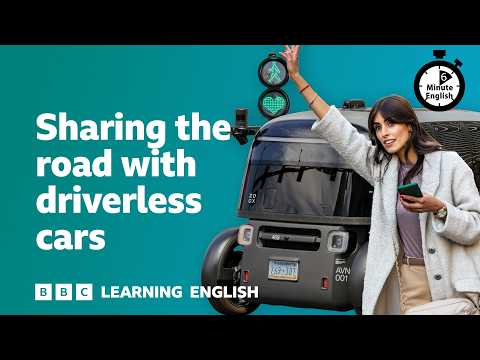
- But when you come to an autonomous vehicle, there's no person in the driving seat.
But when you come to an autonomous vehicle, there's no person in the driving seat.